 11
11
Creating a relaxing home workspace is essential for anyone who wants to stay productive while feeling comfortable during work hours. Whether you work remotely full-time or occasionally take on projects from home, your environment plays a key role in your efficiency and well-being. Below are simple steps to help you set up a calming, functional workspace that supports both focus and relaxation.
Selecting a spot in your home that minimizes distractions is the first step. Ideally, this should be a room or corner away from noisy appliances, foot traffic, or high-traffic family areas. A dedicated workspace signals your brain it’s time to work, helping you stay on task.
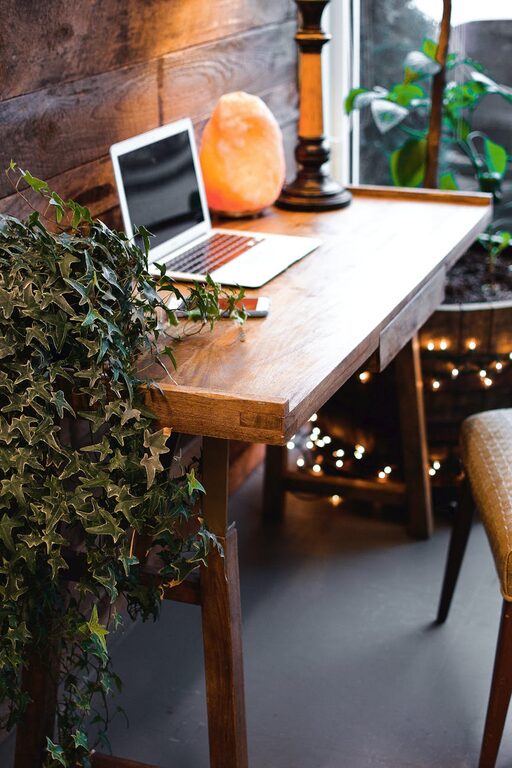
Windows offering natural daylight can improve mood and energy levels. Position your desk near a window to enjoy sunlight, which also helps reduce eye strain. If natural light is limited, ensure you have adequate artificial lighting that mimics daylight.
Comfort matters, especially if you spend hours sitting. An ergonomic chair supports your back, encourages good posture, and reduces discomfort. Adjustable height and lumbar support are features worth considering.
Your desk should fit your space and provide enough surface area for your work tools. A clutter-free desk with plenty of room for your computer, documents, and other essentials helps you stay organized and focused.
Standing desks or adjustable sit-stand converters are good options to prevent stiffness and encourage movement. Changing positions throughout the day improves circulation and reduces fatigue.
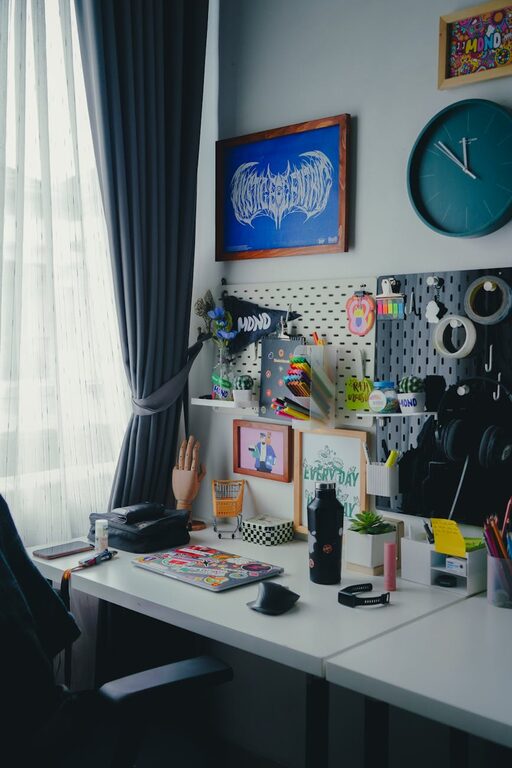
Clutter can lead to stress and distraction. Limit your workspace to items you use daily such as your computer, notebook, and a pen holder. Store less frequently used items in drawers or shelves.
Incorporate organizers, shelves, or filing cabinets to keep documents and supplies neat. This keeps your workspace tidy and saves time searching for materials.
Spend a few minutes at the end of each day tidying your area. A clean, inviting space helps you start fresh the next morning.
Colors influence mood and productivity. Soft shades like pale blues, greens, or warm neutrals can create a relaxing environment. Avoid overly bright or harsh colors that might cause eye strain.
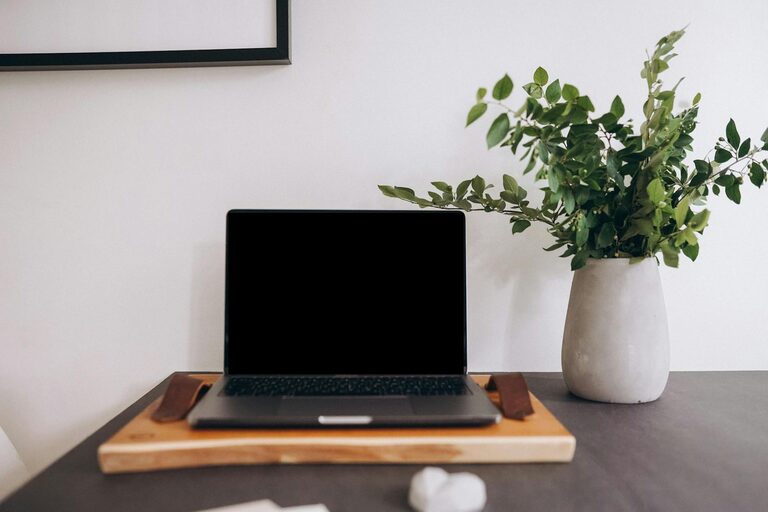
Decorate with plants, photos, or artwork that inspire you but avoid over-accessorizing. Indoor plants can improve air quality and add a touch of nature, which is calming and uplifting.
Use noise-cancelling headphones, white noise machines, or soft background music to mask distracting sounds. Finding your preferred audio environment supports concentration.
Desk lamps with adjustable brightness and direction can reduce glare and shadows. Position lighting to avoid reflections on your screen.
Place your computer screen at eye level about an arm’s length away to prevent neck and eye strain. Consider using a monitor stand or stack of books if needed.
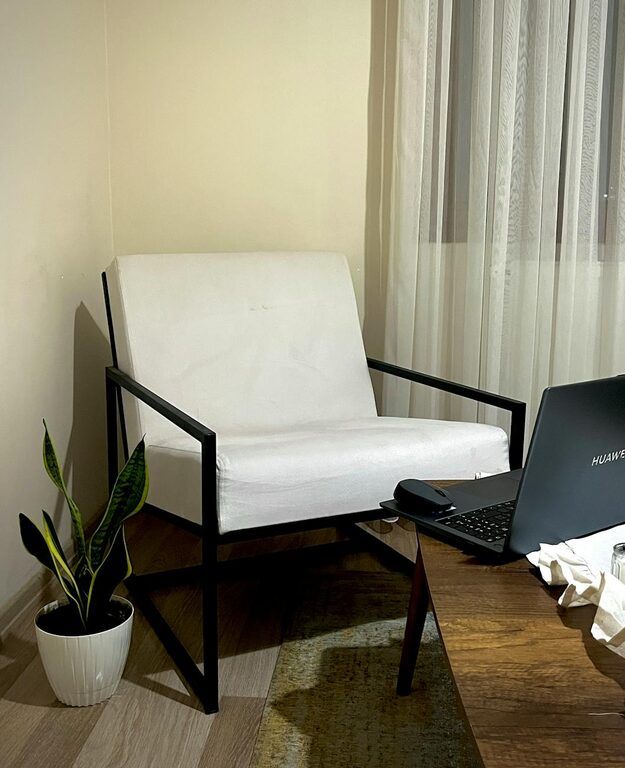
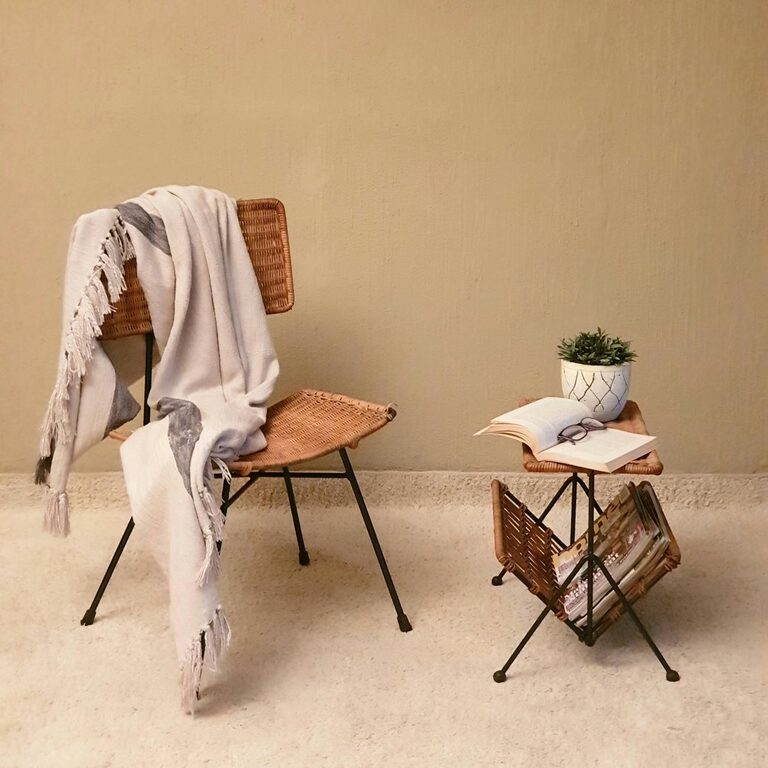
Having a nearby area to stretch or relax helps recharge your mind. A comfortable chair or cushion outside your main workspace encourages short breaks.
Set reminders to stand, stretch, or walk around every hour. Movement enhances circulation and reduces fatigue, contributing to better productivity.
Cable clips and charging stations prevent tangled cords, making your workspace neater and easier to manage.
Invest in a reliable keyboard, mouse, and headset to improve comfort and reduce strain during long work sessions.
Organizing digital files and using productivity apps help you stay on top of tasks, reducing mental clutter.
—
Creating a relaxing home workspace isn’t just about aesthetics—it’s about designing a place that supports your productivity and comfort. With these simple steps, you can build an environment that makes working from home both enjoyable and efficient. Remember, the best workspace reflects your personal needs and promotes balance between focus and relaxation. Happy working!