 11
11
Creating a cozy and inviting home office space can significantly enhance your work experience, whether you’re working remotely full-time or occasionally need a quiet spot to focus. When your workspace feels comfortable and welcoming, it’s easier to stay motivated and maintain a healthy work-life balance. Here are helpful tips to design a home office that’s both functional and warm.
Selecting a spot with plenty of natural light can improve your mood and reduce eye strain. If possible, position your desk near a window where you can enjoy daylight and a view. Avoid direct glare on your computer screen by using blinds or sheer curtains when needed.
Noise can disrupt concentration. Try to set up your home office in a quiet area away from heavy foot traffic or noisy household areas like the kitchen or living room. If space is limited, noise-canceling headphones are a practical solution.
Comfort is key for productivity. Invest in a good ergonomic chair that supports your back and promotes good posture. Look for adjustable features that allow you to tailor the height and tilt to your needs.
Choose a desk that provides enough surface area for your computer, workspace, and essential items. If space is tight, consider a wall-mounted or foldable desk to maximize your room.
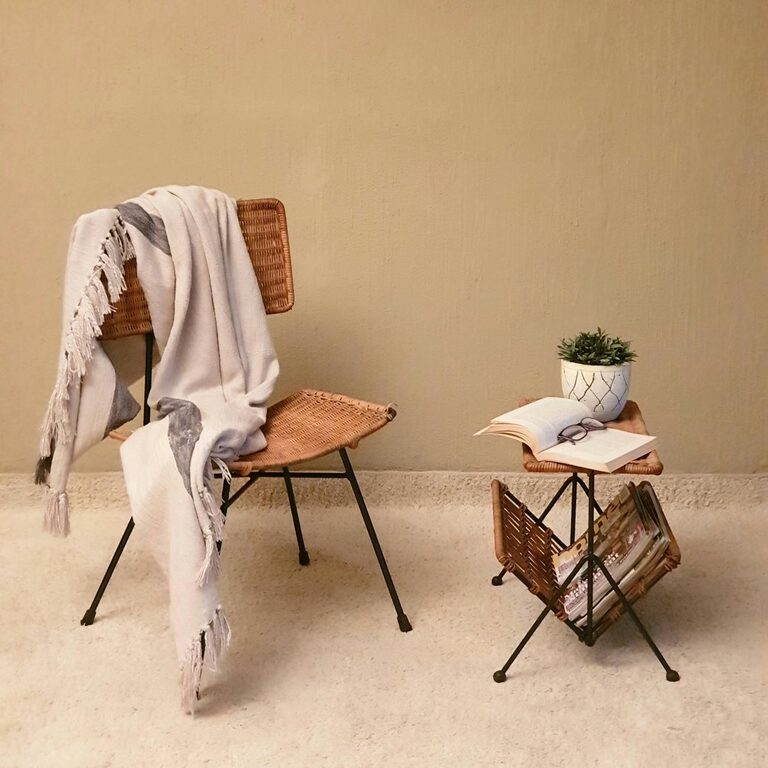
Incorporate soft elements like a cozy throw blanket or a cushioned rug to add warmth and texture to your office. These touches make the environment inviting and comfortable for long hours.
Indoor plants not only improve air quality but also add a natural, calming vibe to your workspace. Choose low-maintenance plants if you’re new to gardening.
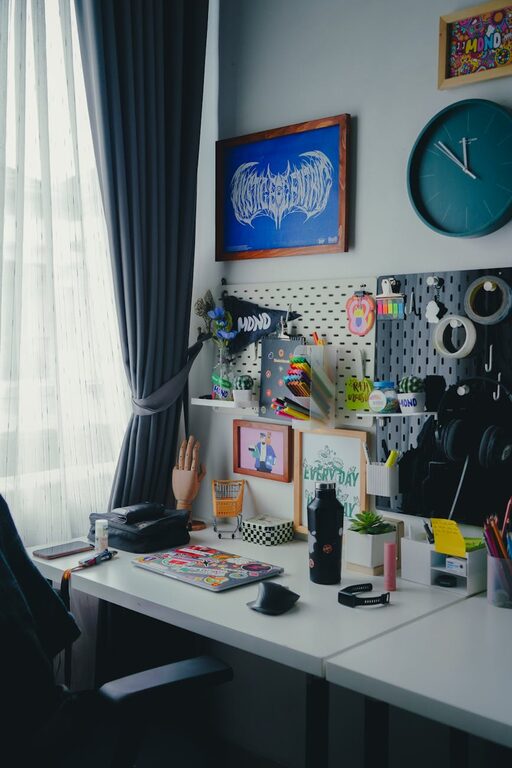
Display artwork, inspirational quotes, or photographs that motivate you and make the space uniquely yours. Avoid cluttering walls to keep a calm and organized atmosphere.
Use a combination of natural, ambient, and task lighting to create a well-lit workspace. A desk lamp with adjustable brightness helps reduce eye strain during evening work sessions.
Opt for bulbs with warm tones instead of harsh white light to create a soothing environment that feels inviting rather than clinical.
Keep your desk and surrounding area tidy by regularly removing unnecessary items. A clutter-free workspace helps keep your mind clear and focused.
Incorporate shelves, drawers, or desk organizers to store office supplies neatly. Label containers to find what you need quickly and maintain order.
Keep cords and cables organized and out of sight using clips, sleeves, or under-desk trays. This not only improves appearance but also prevents tangling and accidents.
If your work involves long hours on the computer, consider a monitor stand to raise the screen to eye level. This helps prevent neck strain.
Invest in a reliable keyboard, mouse, and headset. Comfortable and responsive accessories reduce fatigue and improve efficiency.
Make sure your office is well-ventilated and at a comfortable temperature. Small fans or heaters can help maintain comfort depending on the season.
Use noise-reducing materials like rugs and curtains to soften sound. Consider apps or devices that produce white noise if you need help blocking out background noise.
Design your office to encourage a clear distinction between work and relaxation. When you step into this space, let it signal time to focus and be productive.
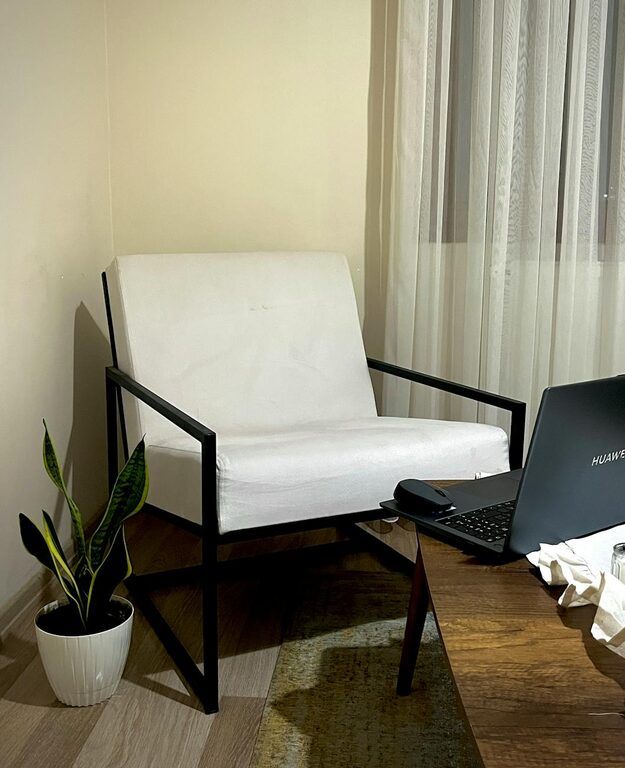
If space allows, set up areas for different tasks—a comfortable chair or small sofa for reading and brainstorming, separate from your desk area.
—
By thoughtfully designing your home office with these tips, you create a space that supports your work habits while nurturing comfort and creativity. A cozy and inviting office makes working from home more enjoyable and productive, turning daily tasks into a pleasant experience.