 11
11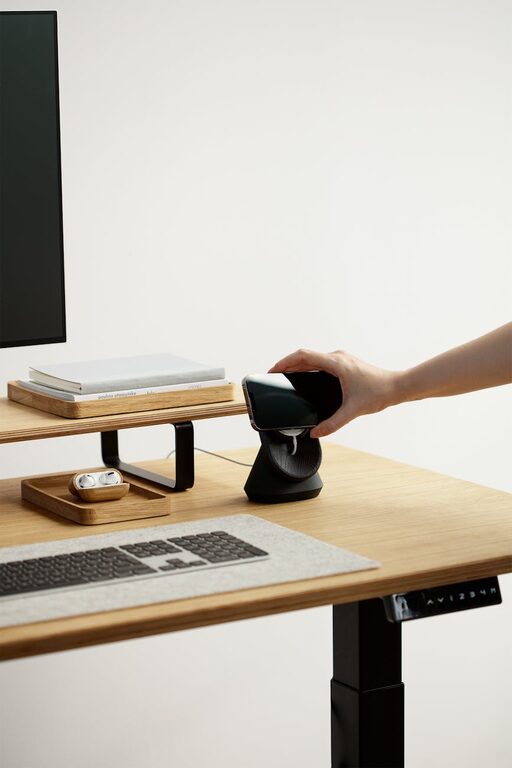
Creating a cozy and productive home workspace is essential, especially as more people embrace remote work or flexible schedules. The right environment not only helps you stay focused but also makes working from home more enjoyable and less stressful. In this post, we’ll explore practical tips to design a home workspace that balances comfort with efficiency.
A workspace that feels comfortable and inviting encourages you to spend time there without feeling drained or distracted. When your setup supports good posture, minimizes clutter, and includes personal touches, it can positively influence your mood and work output.
Look for a place in your home that allows you to concentrate. Avoid high-traffic areas or noisy corners. If you can, choose a room with a door you can close to minimize interruptions.
Natural light boosts energy and improves focus. Position your desk near a window if possible, but avoid glare on your computer screen by using blinds or curtains.
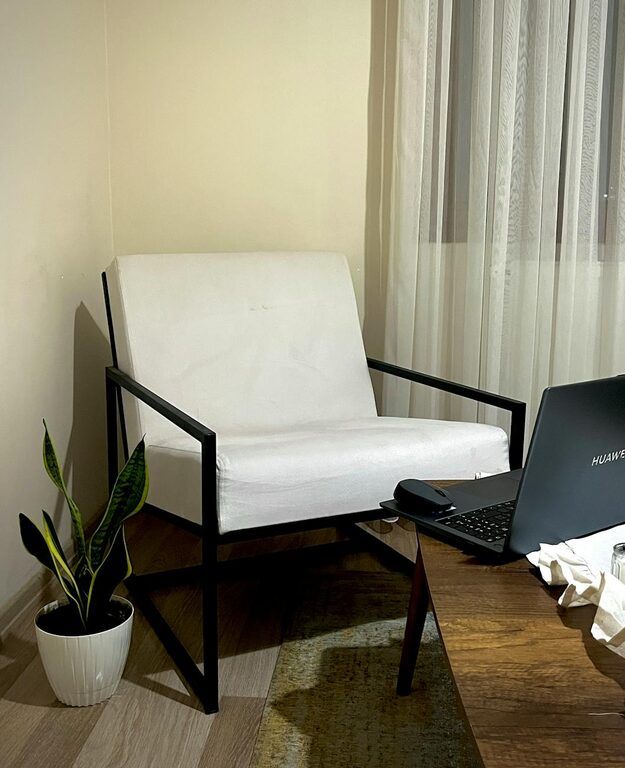
Comfort is key. A supportive chair with adjustable height and lumbar support helps prevent back pain during long hours of work.
Make sure your desk is at a comfortable height where your forearms rest parallel to the floor when typing. Choose a desk with enough surface area to hold your essentials without overcrowding.
Keep only what you need on your desk. Excess clutter can lead to distractions and stress.
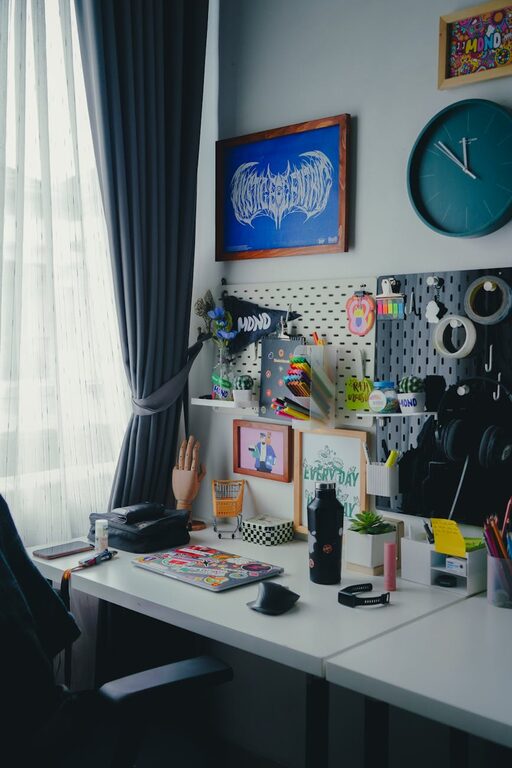
Containers, shelves, or drawers help keep supplies organized and easily accessible.
Untangle wires and use clips or holders to keep cables neat. This not only looks better but also reduces hazards.
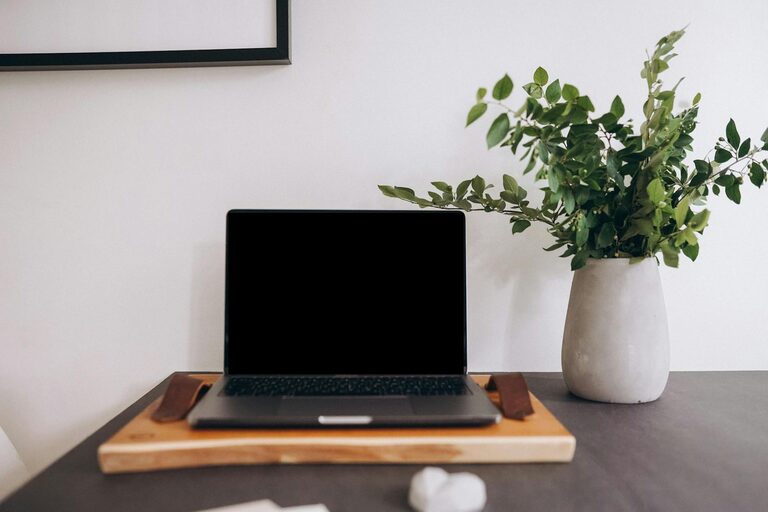
Raising your screen to eye level helps prevent neck strain and improves posture.
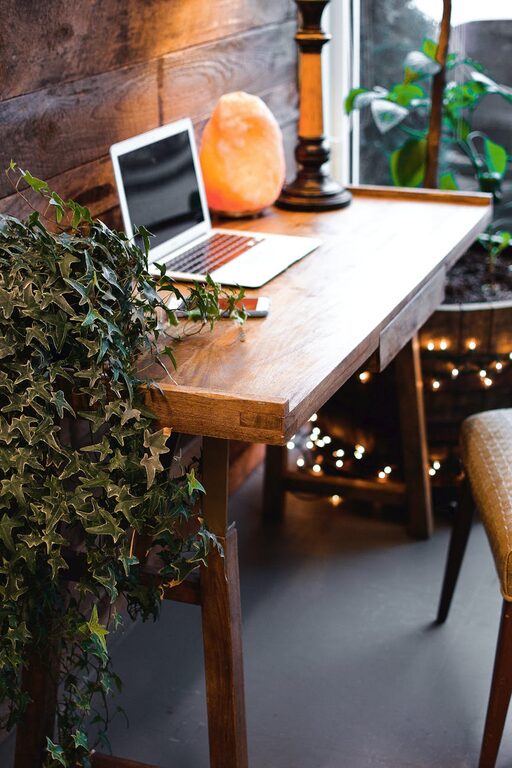
A desk lamp with adjustable brightness can help reduce eye strain, especially during darker hours.
Consider using noise-cancelling headphones, a keyboard and mouse suited to your needs, and handy organizational apps or timers to stay on track.
Adding greenery can improve air quality and create a calming atmosphere.
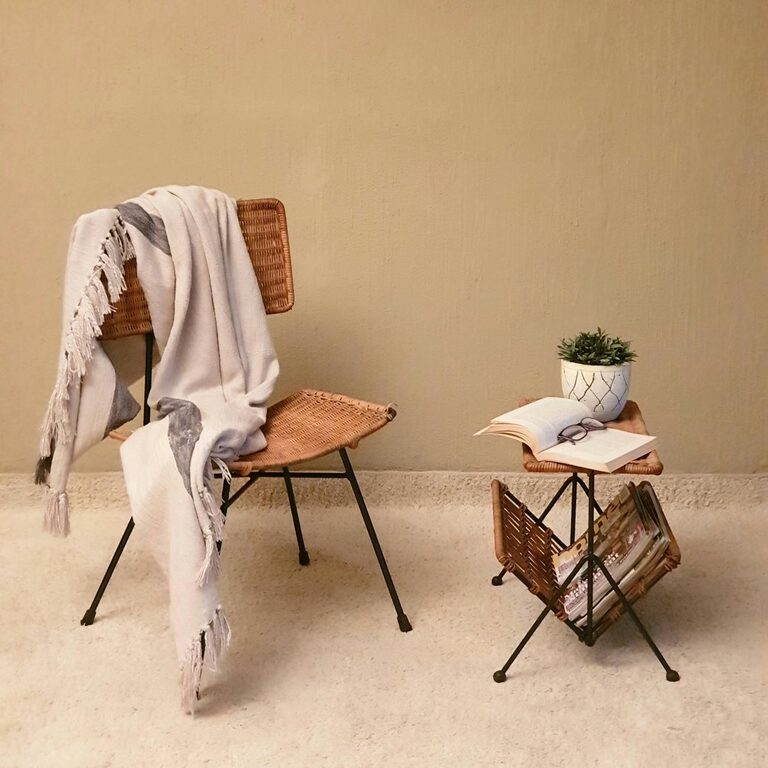
A soft rug, comfortable cushions, or a cozy throw blanket add warmth and texture.
Photos, artwork, or motivational quotes can make your workspace feel uniquely yours and encourage positivity.
Designate your workspace strictly for work to help mentally separate professional time from personal time.
Incorporate short breaks to stretch, hydrate, or move around. This keeps your energy levels steady.
Clear your desk and switch off work devices to signal the end of your workday.
Creating a cozy and productive home workspace is about finding a balance between comfort and functionality. By thoughtfully selecting your location, furnishing your space ergonomically, staying organized, and adding personal touches, you can craft a place that supports both your work goals and well-being. Remember, your workspace should evolve with your needs, so don’t hesitate to make adjustments as you discover what works best for you.